Islamabad is about to change the way money moves in the capital. The federal government has set a firm deadline to make Islamabad Pakistan’s first fully cashless city, with the transition to be completed by 31 December 2026. That means residents, shopkeepers and government offices in the capital have just a few weeks to prepare. The plan was discussed at a meeting chaired by Minister of State for Interior Talal Chaudhry, and the dates are now clear: government departments will stop accepting cash from 30 November 2026, and the whole city, from street vendors to major commercial businesses, is to be brought into the digital payment system by the end of the year. Here is what the Islamabad Cashless City plan means for you.
Date
What Happens
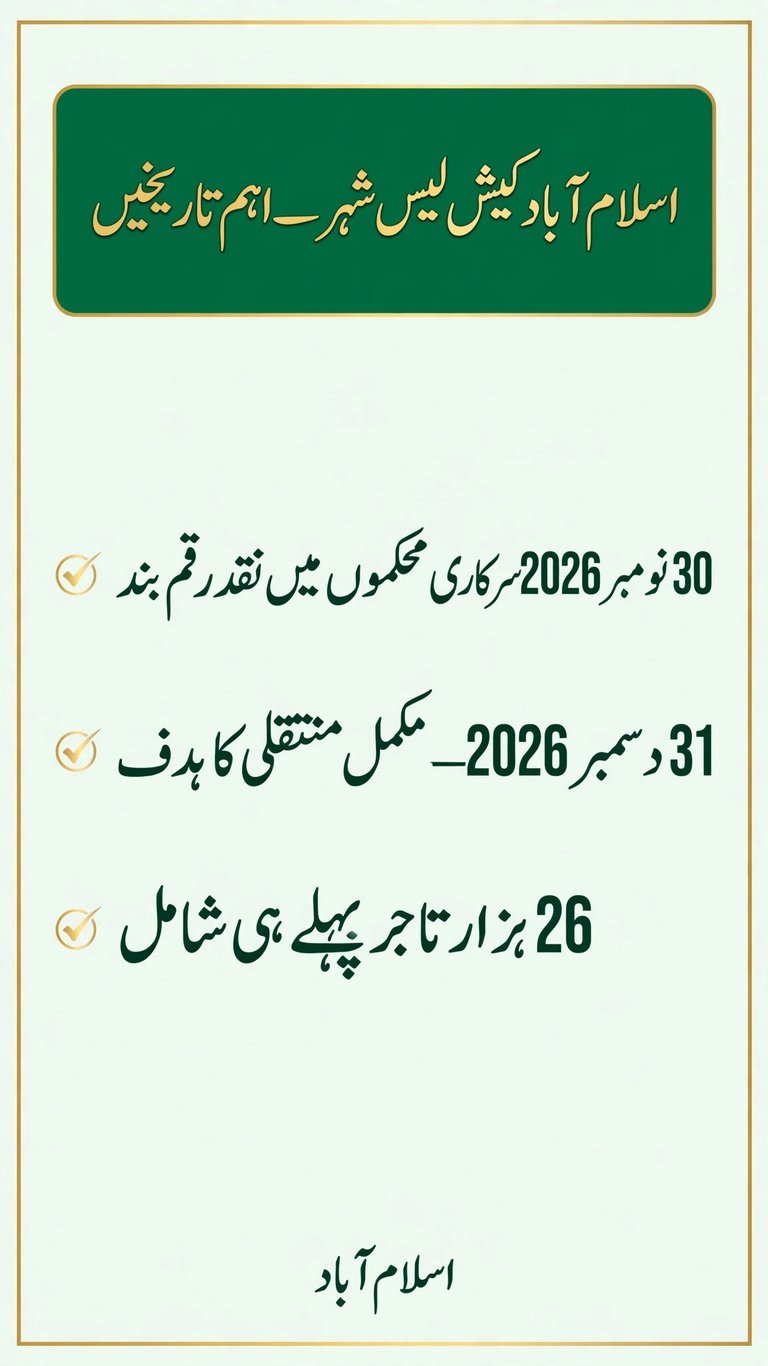
30 November 2026
ICT administration and CDA stop accepting cash at all departments
31 December 2026
Target to complete the transition to a fully cashless city
31 December 2026
All merchants in the capital to be in the digital payment system
Progress so far
Around 26,000 merchants have joined the network
The Two Key Dates You Must Remember
There are two dates at the heart of the Islamabad Cashless City plan, and both fall before the end of this year. The first is 30 November 2026. After that date, the Islamabad Capital Territory administration and the Capital Development Authority will stop accepting cash payments at all their departments. The second is 31 December 2026, the deadline the federal government has set to complete the transition and make Islamabad Pakistan’s first fully cashless city. By the same date, the government aims to bring all merchants in the capital into the digital payment system. Keeping these two dates in mind is the simplest way to understand the whole plan.
30 November 2026: Government departments under the ICT administration and the CDA stop taking cash payments.
31 December 2026: The target date for completing the transition to a fully cashless city.
Merchant deadline: All merchants in the capital are to be part of the digital payment system by 31 December 2026.
Short timeline: The whole change is planned within weeks, not years, so preparation needs to start now.
Clear target: The goal is not a partial shift but a full transition to digital payments across the city.
First in Pakistan: Islamabad is set to become the country’s first fully cashless city.
What Changes for Government Departments
The first change will be felt at government counters. From 30 November 2026, the Islamabad Capital Territory administration and the Capital Development Authority will stop accepting cash payments at all their departments. Anyone who visits these offices to pay a fee or settle a charge will need to use a digital method instead. This is a big shift for offices that have taken cash for years, and it is also the clearest sign that the government is serious about the deadline. The decision was taken at the meeting on the Cashless Islamabad initiative, which brought together the CDA, banking sector representatives and senior officials.
Cash stops: After 30 November 2026, ICT administration and CDA departments will not accept cash payments.
All departments: The change applies across all their departments, not just selected offices.
Digital alternatives: Payments will move to digital channels, so residents should have a bank account, mobile wallet or card ready.
Plan ahead: If you have a payment due at a government office in late November, check the accepted digital method in advance.
Official lead: The government is starting with its own departments before asking the whole city to follow.
Banking support: Banking sector representatives were part of the meeting, which suggests banks will support the shift.
The plan does not stop at government offices. The government aims to bring all merchants in the capital into the digital payment system by 31 December 2026, and digital payment facilities are to extend to everyone, from street vendors to major commercial businesses. That is a wide net. It means the small tea stall and the large shopping centre are both part of the same plan. Around 26,000 merchants have already joined the network, which shows the work is well under way, but the target is every merchant in the city, so the remaining weeks will be busy for banks, payment providers and traders alike.
Every merchant: All merchants in the capital are to join the digital payment system by 31 December 2026.
Street vendors included: Digital payment facilities will reach everyone from street vendors to major commercial businesses.
26,000 already in: Around 26,000 merchants have joined the network so far.
More to join: Merchants who have not yet joined will need to arrange a digital payment option before the deadline.
Customers benefit: Shoppers will be able to pay digitally at small stalls as well as large stores.
Level playing field: The same digital system is intended for the smallest seller and the biggest business alike.
Who Is Leading the Cashless Islamabad Initiative
The Cashless Islamabad initiative is being driven from the top. Minister of State for Interior Talal Chaudhry chaired the meeting where the plan and its dates were discussed, with CDA Chairman Sohail Ashraf, banking sector representatives and senior officials in attendance. Behind the initiative is a promise made by Interior Minister Mohsin Naqvi to the prime minister: that Islamabad would be made Pakistan’s first cashless city, and the world’s first cashless capital. That promise explains the ambition of the plan and the tight deadlines attached to it.
Chair of the meeting: Minister of State for Interior Talal Chaudhry chaired the meeting on the initiative.
For ordinary residents of Islamabad, the change is practical rather than complicated, but it does need a little preparation. The first step is to make sure you have a working digital payment method, such as a bank account with a debit card, a mobile banking app, or a mobile wallet. The second is to start using it for everyday purchases, so that the habit is in place before the deadlines arrive. The third is to help older family members who may be less comfortable with digital payments, because the change will affect everyone who shops, pays a bill or visits a government office in the capital.
Open or activate an account: Make sure your bank account, mobile wallet or card is active and ready to use.
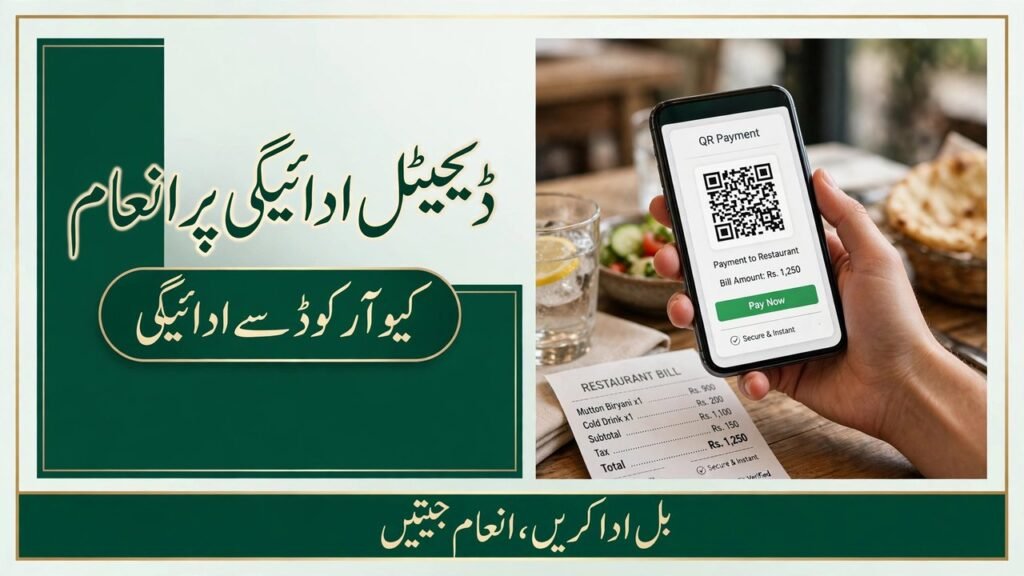
Learn the basics: Practise paying by card, mobile app or QR code for small purchases first.
Keep your phone charged: Digital payments depend on your phone, so keep it charged and your app updated.
Help family members: Show parents and elderly relatives how to pay digitally, step by step.
Ask your bank: If you are unsure which option suits you, your bank can explain the choices available.
Start before the deadline: Do not wait until 30 November, when government counters stop taking cash.
What First Cashless City Means for Islamabad
Becoming Pakistan’s first fully cashless city would be a landmark for Islamabad, and the stated ambition goes further, to be the world’s first cashless capital. A cashless city means that everyday payments, from a bus fare to a government fee, move through banks and digital channels rather than through notes and coins. Supporters of the idea point to transparency, convenience and a clearer record of payments. For the plan to work, though, the digital system must reach every corner of the city, including small vendors and people who have never used a bank account. That is why the merchant target and the 26,000 merchants already on board matter so much: they show how far the groundwork has already gone, and how much remains to be done before 31 December 2026.
National first: Islamabad would be the first fully cashless city in Pakistan.
Global claim: The Interior Minister has described the goal as the world’s first cashless capital.
Transparency: Digital payments leave a clear record, which supports accountability in public dealings.
Convenience: Residents would no longer need to carry cash for everyday payments.
Inclusion matters: The system must work for street vendors and small sellers, not only for large businesses.
Deadline discipline: The 31 December 2026 target gives the whole effort a clear finish line.
The Islamabad Cashless City plan gives the capital two clear dates to work towards: government departments stop accepting cash after 30 November 2026, and the full transition to a cashless city is targeted for 31 December 2026. With around 26,000 merchants already in the digital payment network and the government, the CDA and the banks working together, the groundwork is under way. The promise behind the plan is bold: Pakistan’s first cashless city, and the world’s first cashless capital. For residents, the sensible step is simple. Set up a digital payment method now, start using it for daily purchases, and help your family do the same, so that when the deadlines arrive, the change feels like a convenience rather than a surprise. For official updates, keep an eye on the Capital Development Authority and government announcements.
FAQs
When will Islamabad become a cashless city? The federal government has set 31 December 2026 as the target to complete the Islamabad Cashless City transition and make Islamabad Pakistan’s first fully cashless city.
When will government departments stop accepting cash? The Islamabad Capital Territory administration and the Capital Development Authority will stop accepting cash payments at all their departments after 30 November 2026.
How many merchants have joined the digital payment system? Around 26,000 merchants in the capital have joined the network so far, and the aim is to bring all merchants into the system by 31 December 2026.
Will street vendors also accept digital payments? Yes. Digital payment facilities are to extend to everyone, from street vendors to major commercial businesses.
Who is leading the Cashless Islamabad initiative? Minister of State for Interior Talal Chaudhry chaired the meeting on the initiative, with CDA Chairman Sohail Ashraf, banking sector representatives and senior officials attending.
What did the Interior Minister promise about Islamabad? Interior Minister Mohsin Naqvi promised the prime minister that Islamabad would be made Pakistan’s first cashless city and the world’s first cashless capital.
Shahzad Sahil is the editor of lahorejobs24.com, covering government jobs, private jobs, bank jobs, results and education news for Lahore and Punjab, with information verified from official sources.