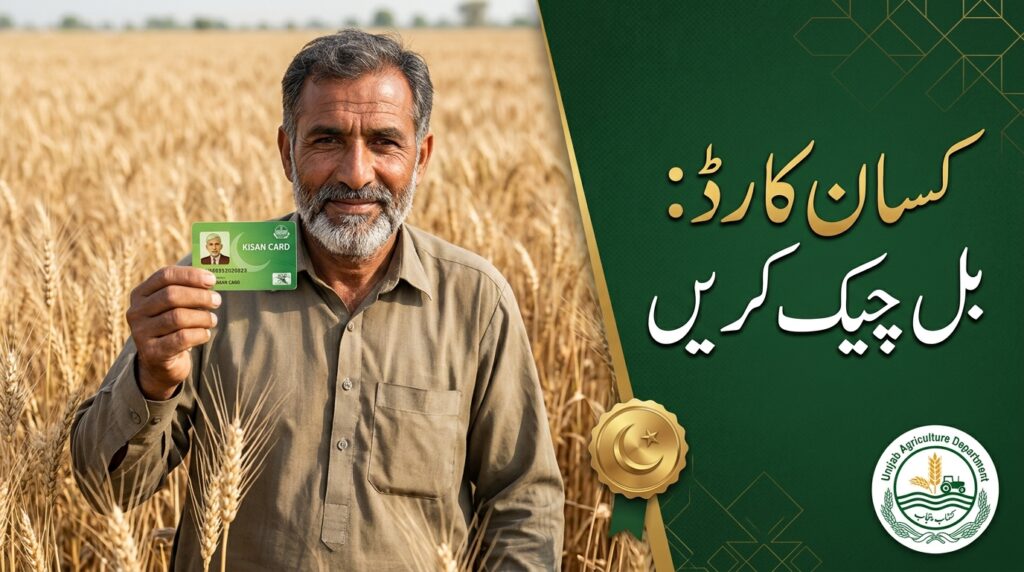
On 28 October 2026, Punjab Chief Minister Maryam Nawaz announced the province’s first Apna Kisan Bank along with a Rs17 billion subsidised farm loan package, in what is the biggest single farm-credit announcement of the current wheat season. The package is meant to cover farmers cultivating around five million acres, raise the Kisan Card fertiliser limit, and protect growers on the wheat support price. This guide explains the whole package in simple words, separates what is confirmed from what is still unclear, and tells farmers honestly what has not been announced yet.
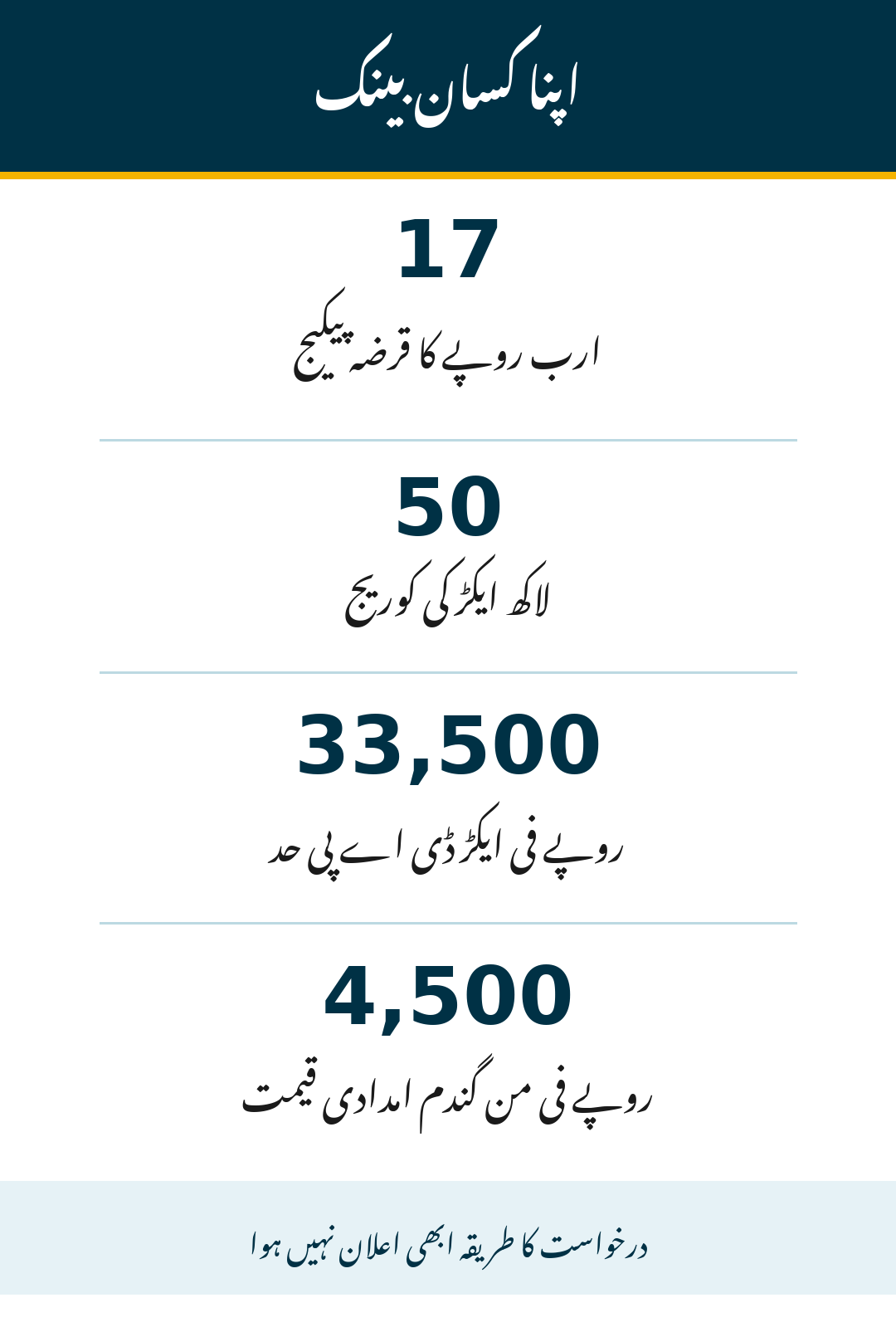
Apna Kisan Bank At a Glance
Detail
Announced on
28 October 2026, Lahore
Announced by
Chief Minister Maryam Nawaz
New institution
Apna Kisan Bank, Punjab’s first farmers’ bank
Subsidised loan package
Rs17 billion
Coverage
Farmers on about five million acres
Zero-markup loans
Up to Rs10 million (as reported)
Kisan Card DAP limit
Raised to Rs33,500 per acre, from Rs30,000
Wheat support price
Rs4,500 per maund
Application procedure
Not announced yet
What Was Announced on 28 October
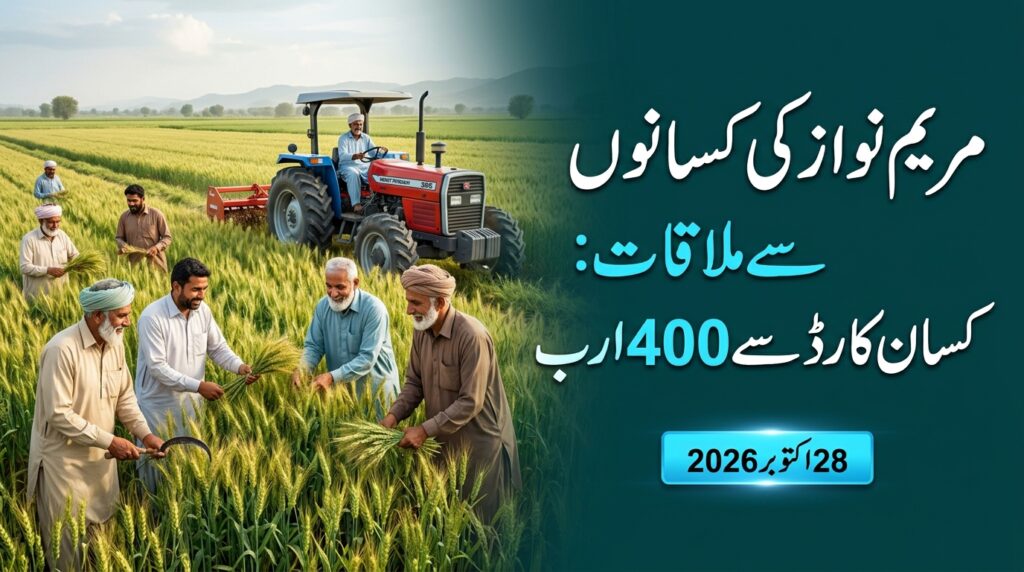
The announcement came during a meeting with representatives of small, medium and large farmers from across Punjab. The Chief Minister dedicated her birthday to the farming community and used the occasion to unveil a set of ten farmer-focused initiatives, with the Kisan Bank at the centre. According to the official announcement, the package is designed to cut farmers’ dependence on middlemen, bring down the cost of inputs during the wheat season, and push farm mechanisation forward.
Apna Kisan Bank: Punjab’s first dedicated bank for farmers, created to provide agricultural finance through a formal, transparent channel.
Rs17 billion in subsidised loans: a financing programme that the government says will support farmers cultivating around five million acres.
Cheaper fertiliser credit: the Kisan Card limit for buying DAP fertiliser rises by Rs3,500 per acre, from Rs30,000 to Rs33,500.
Wheat support price: the government says it will ensure implementation of the Rs4,500 per maund wheat support price in coordination with the federal government.
Mechanisation push: Rs70 billion earmarked for high-tech mechanisation, with 25,000 tractors already provided on subsidy and 50,000 more to follow.
Tenant farmers included: steps are being taken to bring tenant farmers and those cultivating leased land into the Kisan Card programme.
Olive cultivation: a special package for olive growers was announced as part of the same set of initiatives.
Digital disbursement: the government says digitalisation has made loan disbursement merit-based, with recovery reported at close to 100 per cent.
The package is aimed at the full range of Punjab’s farming community rather than one group alone. Small farmers who need seasonal input credit, medium farmers expanding their operations, and large farmers investing in machinery are all named in the announcement. The Kisan Card already serves more than one million small farmers, and the government says the new bank will widen that formal credit net further.
Small farmers: seasonal input loans for fertiliser, seed and pesticide without going to a middleman.
Medium farmers: larger working-capital loans at concessional rates for the wheat season and beyond.
Large farmers: higher slabs for machinery, processing and expansion, at 2 per cent or 5 per cent interest as reported.
Tenant and leased-land farmers: specifically promised inclusion in the Kisan Card programme, a group that has often struggled to access formal credit.
Olive growers: a dedicated support package for olive cultivation in suitable areas.
Wheat growers: every wheat farmer benefits from the support-price commitment, which the government will pursue with the federal government.
The Loan Slabs in Simple Words
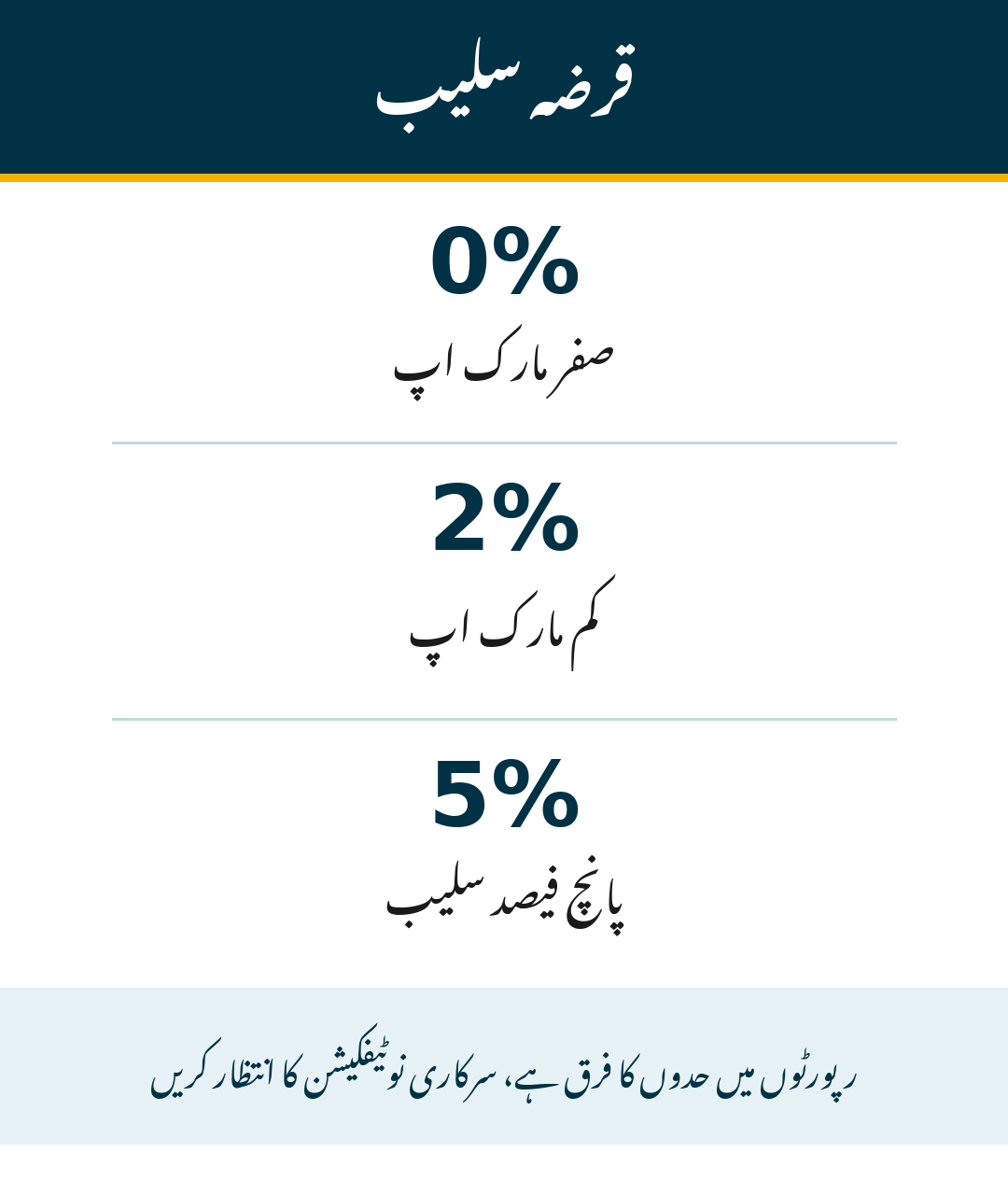
The reported financing structure has three slabs. Loans of up to Rs10 million carry zero markup, meaning no interest. Loans of up to Rs30 million carry 2 per cent interest, and loans of up to Rs50 million carry 5 per cent interest, with the financing routed through the Punjab Urban Unit. For most small farmers, even the first slab is a very large amount, which is why the announcement matters beyond big landholders.
One important caution applies here. While most outlets reported the Rs10 million, Rs30 million and Rs50 million ceilings, the official news agency’s version of the same announcement reported much higher ceilings: up to Rs100 million at zero markup, up to Rs300 million at 2 per cent, and up to Rs500 million at 5 per cent. Both versions are reported here because neither has been corrected by the government so far. Farmers should treat the final slab ceilings as unconfirmed until the Punjab government issues its formal notification, and a separate detailed article on this website explains the two versions slab by slab.
What Else Changed for Farmers
Beyond the bank itself, the 28 October package changed several things farmers deal with every season. The most immediate is the Kisan Card DAP limit. At a time when fertiliser prices are rising, the extra Rs3,500 per acre gives wheat growers more room to buy DAP through the card instead of borrowing at high cost from the market.
DAP limit raised: from Rs30,000 to Rs33,500 per acre, an increase of Rs3,500 per acre.
Wheat support price: Rs4,500 per maund, to be implemented in coordination with the federal government.
Mechanisation: Rs70 billion for high-tech machinery, plus local tractor and harvester manufacturing plans.
Tractors on subsidy: 25,000 already provided, with 50,000 more in the pipeline.
Kisan Card record: the government says Rs400 billion has reached farmers through the Kisan Card over the past two years.
No middleman needed: the stated goal is that farmers buy fertiliser, seed and pesticide directly through formal channels.
Crop residue: farmers were urged not to burn crop residue, linking farm practice to the province’s smog problem.
Because the bank’s application procedure has not been announced yet, the sensible step right now is preparation, not payment to anyone. No agent, shopkeeper or social media page can register you for Apna Kisan Bank today, because no registration channel exists yet. Farmers who prepare their documents now will be ready the moment the official procedure is published.
Do not pay any agent: there is no form, fee or agent route for the Kisan Bank at this stage.
Keep your CNIC ready: a valid CNIC will certainly be required for any farm loan.
Update your land record: make sure your ownership or tenancy record matches your actual cultivation.
Keep your Kisan Card active: the raised DAP limit works through the existing Kisan Card system.
Check the DAP limit: confirm the new Rs33,500 per acre limit with your Bank of Punjab branch before buying fertiliser.
Wait for the slab notification: do not plan a large borrowing on the basis of either slab version until the government confirms the ceilings.
Follow official channels only: trust the Punjab Agriculture Department and Bank of Punjab, not forwarded messages.
Loan Slab Comparison
Reported Ceiling
Zero markup (0%)
Up to Rs10 million as reported by most outlets
Low markup (2%)
Up to Rs30 million as reported by most outlets
Higher slab (5%)
Up to Rs50 million as reported by most outlets
News agency version
Rs100m / Rs300m / Rs500m at 0% / 2% / 5%
Contact and Helpline Details
Channel
Detail
Apna Kisan Bank applications
Not open yet; no portal or helpline announced
Kisan Card SMS service
Send SMS to 8070 via Bank of Punjab
Kisan Card and DAP limit
Nearest Bank of Punjab branch
Official guidance
Punjab Agriculture Department and your district agriculture office
The Apna Kisan Bank announcement is genuinely significant: a dedicated farmers’ bank, Rs17 billion in subsidised credit, a higher DAP limit and a firm wheat support price commitment, all in one package. What will decide its value for ordinary farmers is the detail that is still missing — the final loan ceilings, the application procedure, the repayment terms and the launch date. Until the Punjab government publishes those, treat every forwarded claim with caution, keep your documents ready, and use only official channels. This website will update this guide the moment the formal notification appears.
FAQs
Is Apna Kisan Bank open for applications? No. The bank and the Rs17 billion package were announced on 28 October 2026, but no application procedure, launch date or portal has been published yet.
What is the zero-markup loan limit? Most outlets reported up to Rs10 million at zero markup, but the official news agency’s version reported up to Rs100 million. The final ceiling must be confirmed from the government notification.
Has the Kisan Card DAP limit changed? Yes. The limit for buying DAP fertiliser through the Kisan Card has risen from Rs30,000 to Rs33,500 per acre, an increase of Rs3,500.
What is the wheat support price? Rs4,500 per maund. The Punjab government says it will implement it in coordination with the federal government.
Can tenant farmers benefit? The announcement says steps are being taken to include tenant farmers and those cultivating leased land in the Kisan Card programme. The procedure for them is not published yet.
Shahzad Sahil is the editor of lahorejobs24.com, covering government jobs, private jobs, bank jobs, results and education news for Lahore and Punjab, with information verified from official sources.